
How OLTC Switching Sequences Work: Diverter Switch & Selector Switch Explained
Understand the complex OLTC switching sequence. Learn how diverter and selector switches safely change transformer taps under full load without power loss.
What Happens During a Tap Change?
When a transformer needs to change voltage, it moves from one tap to another. It does this without stopping the power. This is called the OLTC switching sequence. It takes less than a second. It is a true marvel of engineering.
The Resistor-Type Switching Sequence
Most tap changers in India use a resistor. The OLTC switching sequence uses this resistor to limit current during the change. Here is how the sequence works step by step.
Phase 1: Pre-Selection
First, the selector switch moves to the new tap. It carries no power yet. This starts the OLTC switching sequence.
Phase 2: First Contact Opens
Next, the main contact opens quickly. The power now flows through the resistor. The OLTC switching sequence must happen very fast here.
Phase 3: The Bridge Position
For a split second, both taps are connected. The resistor stops the system from shorting out. This is the hardest part of the OLTC switching sequence.
Phase 4: Final Transfer
The second contact closes on the new tap. The resistor drops out. The OLTC switching sequence is now finished. The power flows normally again.
Why Timing Is Critical
The OLTC switching sequence relies on perfect timing. If the timing is bad, terrible things happen:
- Early opening: Causes huge sparks and burns the contacts.
- Late closing: Melts the transition resistor.
You can spot bad timing by measuring contact resistance. High resistance means the parts are wearing out.
The Energy Accumulator
The energy accumulator is a strong spring. It gives the switch its speed. A weak spring slows down the OLTC switching sequence. A slow change will destroy the tap changer. This is why you must replace weak springs immediately.
Conclusion
Knowing the OLTC switching sequence helps you find problems early. Every part plays a vital role. Regular tests keep the OLTC switching sequence fast and safe. Need help testing your tap changers? Contact our expert team for service.

Sanjay Shinde
Subject Matter Expert
Sanjay Shinde brings years of technical expertise in transformer maintenance and OLTC diagnostics.
Tags
Related Articles

Complete Guide to OLTC Maintenance: Best Practices 2026
Learn essential OLTC maintenance procedures, inspection schedules, and preventive measures to extend transformer life and ensure grid stability.
Transformer Oil Filtration in OLTC Systems: A Complete Field Guide
Learn about transformer oil filtration for OLTC systems. Discover critical oil quality tests, intervals, and the high-vacuum process to prevent failure.
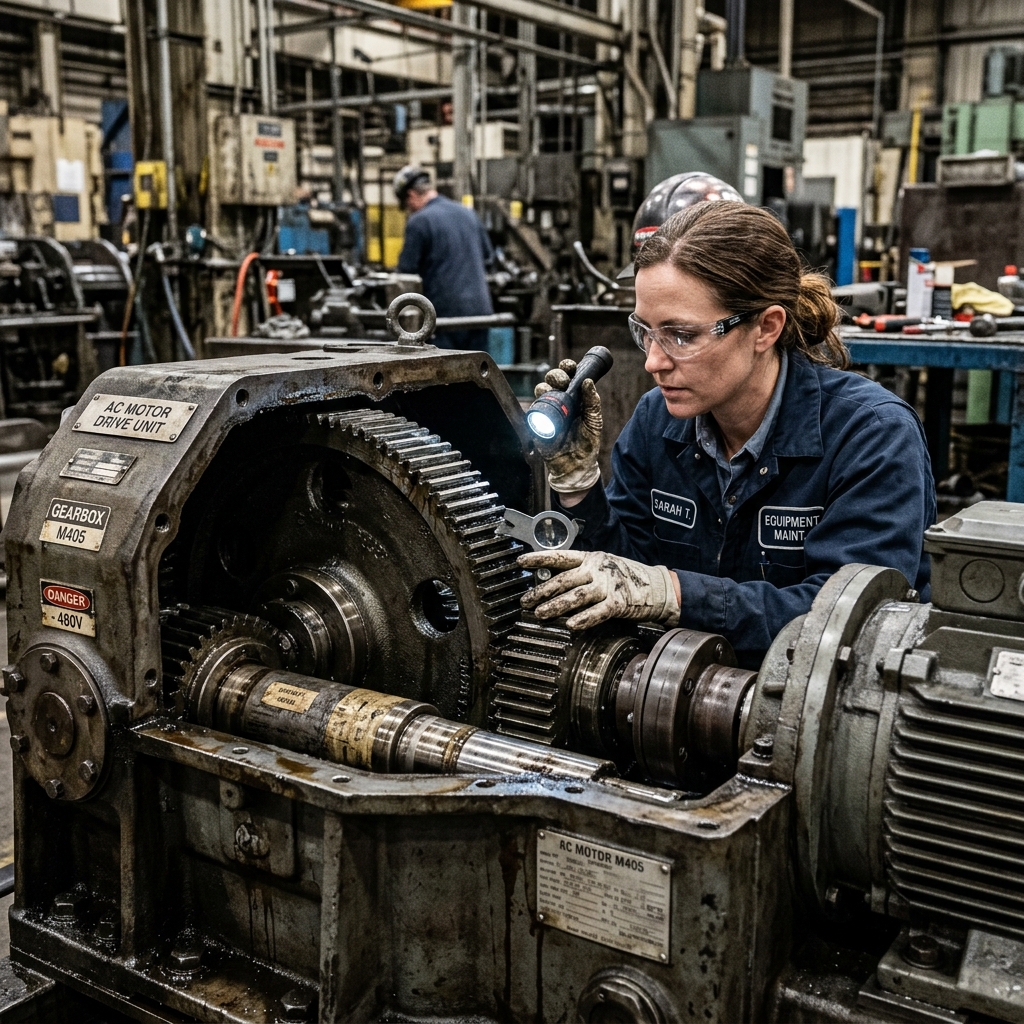
Diagnosing and Fixing Motor Drive Failures in On-Load Tap Changers
When an OLTC motor drive fails to respond, it can leave a transformer locked on a tap that doesn't match grid voltage — or worse, initiate an incomplete tap change. This guide covers the most common motor drive faults, how to diagnose them systematically, and how to restore operation safely.